
5 Foods That Help Manage Epilepsy
Epilepsy is a neurological condition that causes recurring seizures, and its management often involves medication, regular medical follow-up, good sleep, and lifestyle support. Food does not cure epilepsy, but a nutritious eating pattern may help support overall brain health, steady energy levels, and metabolic balance. In some cases, doctors may recommend specialized diets, such as a ketogenic diet, for seizure control. For the general public, certain foods can be helpful as part of a balanced approach to wellness while living with epilepsy.
1. Fatty Fish
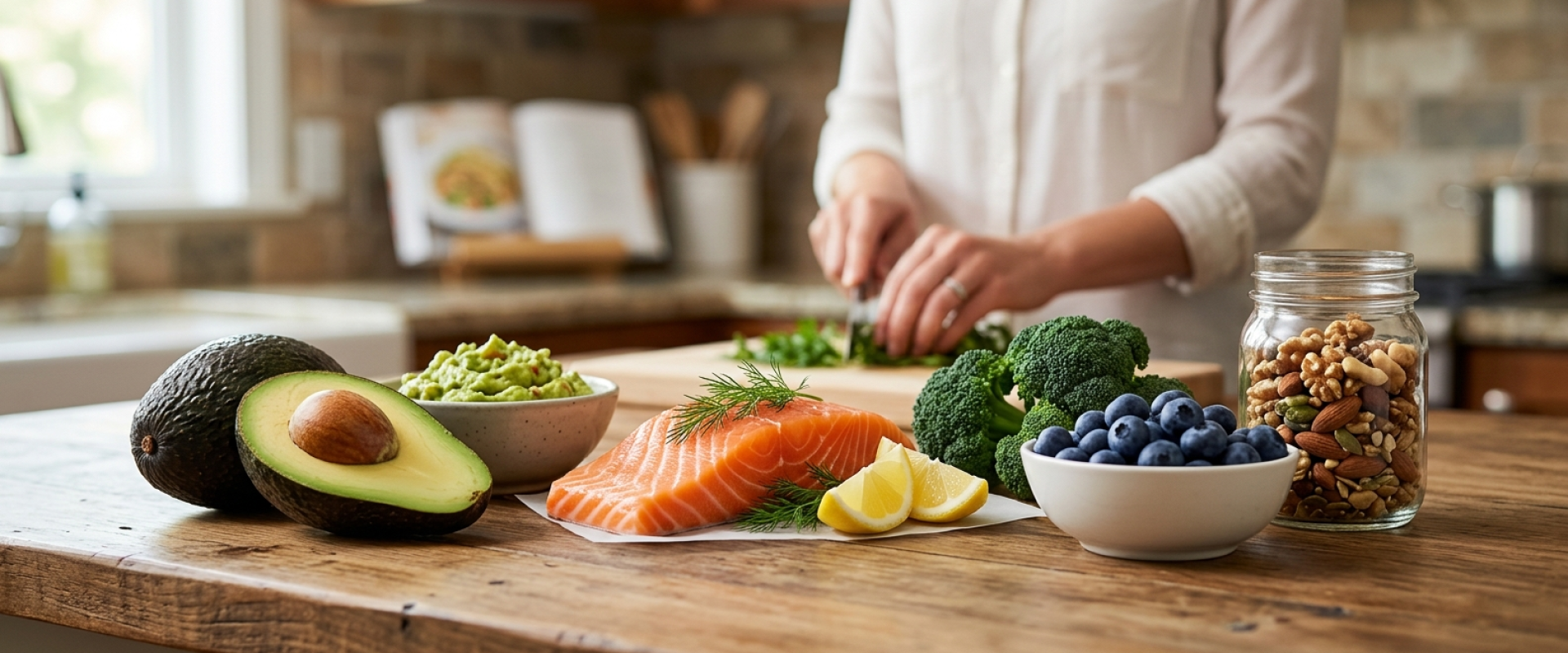
Fatty fish such as salmon, sardines, trout, and mackerel are rich in omega-3 fatty acids, which are important for brain function. These healthy fats help support nerve cell health and may play a role in reducing inflammation in the body. Since the brain depends heavily on fats for structure and signaling, foods that provide quality fats can be a smart choice for people focused on neurological wellness.
Fatty fish also contains vitamin D and protein, both of which contribute to overall health. Some people with epilepsy may be at risk of low bone density, especially if they take certain anti-seizure medications over a long period. Foods that support bone and muscle health can therefore offer added value.
Simple Ways to Eat More Fatty Fish
Try grilled salmon with vegetables, sardines on whole-grain toast, or tuna mixed into a salad. Choosing baked or steamed fish instead of heavily fried options can help preserve its nutritional value.
2. Leafy Green Vegetables
Leafy greens such as spinach, kale, collard greens, and Swiss chard provide folate, magnesium, vitamin K, and antioxidants. These nutrients support many body processes, including nerve function and energy production. Magnesium is especially important because it helps regulate nerve signaling and muscle function.
Leafy greens are also high in fiber, which supports digestion and helps maintain steadier blood sugar levels. Stable energy levels can be useful for overall well-being, especially because skipped meals and major blood sugar swings may be unhelpful for some people with epilepsy.
Easy Serving Ideas
Add spinach to omelets, blend kale into smoothies, or serve sautéed greens as a side dish. Salads made with mixed greens, olive oil, and seeds can also be a nutrient-dense option.
3. Avocados
Avocados provide healthy monounsaturated fats, fiber, potassium, and several B vitamins. Their fat content can help promote fullness and provide a slow, steady source of energy. This can be useful in meal planning for people trying to avoid sudden hunger or inconsistent eating patterns.
Because avocados are naturally low in sugar and rich in satisfying fats, they also fit well into lower-carbohydrate eating patterns, which may be recommended in some medically supervised epilepsy diets. While simply eating avocados is not the same as following a therapeutic ketogenic diet, they can still be a helpful food for balanced nutrition.
How to Use Avocados
Spread mashed avocado on toast, slice it into salads, or blend it into a smooth dip with lemon and herbs. It also works well as a topping for eggs, grain bowls, and wraps.
4. Nuts and Seeds
Nuts and seeds are compact sources of healthy fats, protein, magnesium, zinc, and vitamin E. Almonds, walnuts, pumpkin seeds, chia seeds, and flaxseeds are especially popular for their nutrient density. These foods may support brain health while also offering convenient, steady energy between meals.
Magnesium found in many nuts and seeds is important for normal nervous system activity. In addition, walnuts and flaxseeds contain plant-based omega-3 fats, which can complement other healthy foods in the diet. Since these foods are easy to portion and store, they make practical snacks for busy daily routines.
Smart Snack Options
A small handful of almonds, a spoonful of chia seeds in yogurt, or pumpkin seeds sprinkled over soup can be simple ways to include them. Choose unsalted or lightly salted versions when possible.
5. Eggs
Eggs are a versatile source of protein, healthy fats, choline, and several vitamins. Choline is especially important because it helps support brain and nervous system function. Protein-rich foods like eggs can also help maintain more stable energy throughout the day, especially when paired with vegetables or other high-fiber foods.
Eggs are often included in lower-carbohydrate meal plans and can be useful for people looking for filling, nutrient-dense breakfast or lunch choices. They are affordable, easy to prepare, and suitable for many different eating styles.
Practical Meal Ideas
Try boiled eggs as a snack, scrambled eggs with spinach, or an omelet with vegetables and avocado. Eggs can also be added to salads or grain bowls for extra protein.
Why Overall Eating Habits Matter
No single food can prevent or stop seizures, but regular eating habits and balanced meals may help support general health. For some people, dehydration, missed meals, excess alcohol, or poor sleep can make seizure management more difficult. Building meals around whole foods, healthy fats, lean proteins, and vegetables may promote steadier energy and better daily wellness.
People with epilepsy should also be aware that some supplements, herbal products, or extreme diets may interfere with medications or individual treatment plans. It is always best to discuss major dietary changes with a doctor or registered dietitian, especially if seizures are not well controlled.
Important Medical Note
Epilepsy should always be managed under professional medical care. If a specialized diet such as ketogenic therapy is being considered, it should be done only with medical supervision. The foods listed above are supportive choices for a healthy lifestyle, but they are not a replacement for prescribed medication or epilepsy treatment.
Related Articles

It's Possible to Lower Blood Pressure By Eating the Right Foods
High blood pressure or hypertension is both dangerous and common.

Every Beginner Could Use a Guide to Their Workout Gear
Going to the gym can be intimidating, especially for beginners.

7 Warning Signs of Breast Cancer
Breast cancer is one of the most commonly diagnosed cancers worldwide, affecting millions of people each year regardless of gender, age, or background.

Pre Workout Supplements Can Result in Better Workouts and Energy Boosts
Those who love hitting the gym know they need to maximize their time there.

These 5 Home Exercises Are Simple But Effective
Exercises are not just for the gym but can improve your health and well-being in a little more unconventional way.
5 Foods That Help Manage Epilepsy
Epilepsy is a neurological condition that causes recurring seizures, and its management often involves medication, regular medical follow-up, good sleep, and lifestyle support.
Recent Articles
-

5 Overlooked Lung Cancer Warning Signs
Facts & Health AwarenessLung cancer is the leading cause of cancer-related deaths worldwide, claiming more lives each year than breast, colon, and pro ...
-

7 Warning Signs of Breast Cancer
Breast cancer is one of the most commonly diagnosed cancers worldwide, affecting millions of people each year regardless of gender, age, or background ...
-

7 Foods Linked to Severe Allergic Reactions
Food allergies can turn an ordinary meal or snack into a medical emergency within minutes. While many reactions are mild, some foods are more likely t ...